
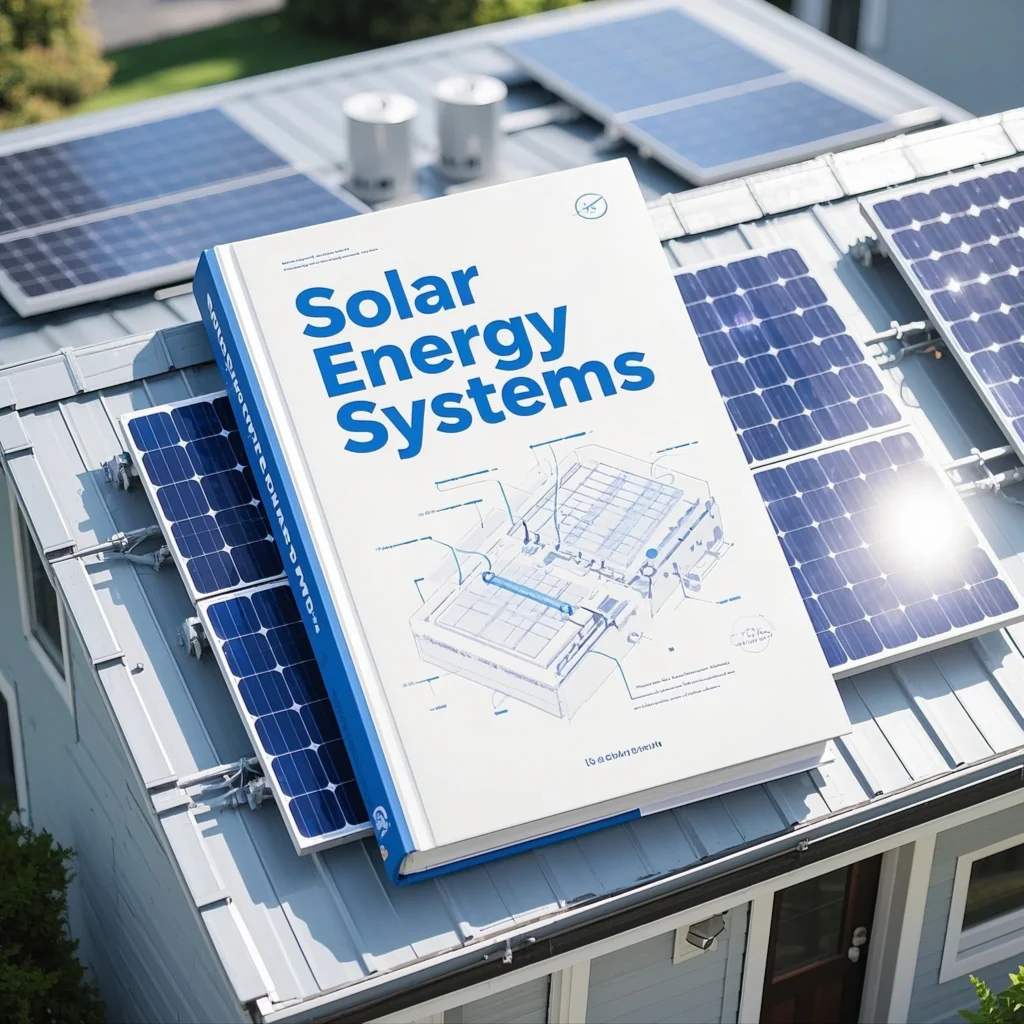

How Solar Energy Systems Work
The Photovoltaic Effect Explained
The PV effect happens when sunlight gets turned into electricity through special materials called semiconductors. Basically, when light particles hit a solar panel, they knock loose electrons out of their atomic orbits, which creates an electrical current we can use. This whole mechanism forms the basis of all solar power systems today, making it possible to capture energy from our nearest star quite effectively. Something really important here is what scientists call band gap energy in the materials themselves because this determines just how good those materials are at converting light into usable power. We see different options on the market like standard silicon panels, ones made with cadmium telluride, and others based on copper indium gallium selenide compounds. Each type works differently and produces varying amounts of electricity. Getting familiar with these material choices along with how the PV effect actually works makes a big difference for people wanting to install solar technology at home or business.
Components of a Residential Solar Power System
Most home solar setups have four main parts: panels themselves, an inverter box, some kind of mounting hardware, plus maybe batteries if budget allows. Those panels take sunlight and turn it into what’s called direct current electricity. Then comes the inverter which changes that DC power into AC so appliances can actually run on it. Panels need proper placement to catch enough sun, so installers bolt them onto roofs or set them up on the ground with special brackets. When folks add battery storage, they get to save extra power made during daylight hours. This means less reliance on grid electricity at night or cloudy days. All these pieces fit together pretty well to make solar power work for regular homes without too much hassle.
Grid-Tied vs. Off-Grid Solar Solutions
When thinking about solar power systems, knowing the difference between grid-tied and off-grid setups really matters. Grid-tied systems hook up to the regular power grid, which means homeowners can pull electricity from it whenever their solar panels aren’t producing enough. People often see lower electric bills this way, particularly if their area has net metering rules that give them credit for extra power sent back to the grid. On the flip side, off-grid systems work completely separate from any utility company, depending only on sunlight and battery storage. These make sense for folks living far away from towns or cities where connecting to the grid isn’t feasible. But here’s the catch with going fully off grid: those systems need good planning around how much energy gets stored and what happens during long cloudy spells or winter months. Both approaches come with advantages and drawbacks, so anyone serious about switching should look closely at their daily energy habits and location specifics before picking one option over another.
Financial Benefits of Solar Power for Homeowners
Understanding Solar Tax Credits and Rebates
Tax credits and rebate programs make going solar much more affordable for regular folks looking to install panels on their homes. The big one right now is the Federal Investment Tax Credit or ITC for short. Basically, this lets people deduct a chunk from what they owe in federal taxes after installing solar equipment, which cuts down how much cash they need upfront. As things stand in 2023, the ITC sits at around 30%, way better than what was available just a few years back. And that’s not all either. Plenty of states and even some cities have their own incentive programs too, so folks can save money multiple ways when switching to solar power. Keeping track of how tax laws change matters a lot if someone wants to get the most out of these savings opportunities. Take the ITC example again it allows homeowners to write off about 30% of what they spend on installation costs, which adds up to real money saved over time.
Calculating Your Solar ROI and Payback Period
When looking at whether going solar makes financial sense, people need to consider two main factors: Return on Investment (ROI) and what’s called the payback period. The math involves figuring out what it costs to install the system, how much money gets saved on monthly electric bills, plus any government rebates or tax breaks available locally. Most folks find that their systems start paying themselves back somewhere between 5 to 10 years after installation, depending on various factors. Homeowners who want accurate numbers should look closely at current electricity prices in their area, check what kind of incentives exist nearby, and track their actual power usage habits over time. Many people who have already switched report substantial savings, sometimes seeing returns anywhere from 8 percent up to around 20 percent each year. That kind of performance makes installing solar panels not just environmentally friendly but also pretty smart financially in the long run.
Leasing vs. Purchasing Solar Systems
When considering solar power options, homeowners must decide whether to lease or buy their systems, each path carrying different money impacts. Leasing means no big out-of-pocket expenses for installation, though it does mean missing out on certain tax breaks. This can be attractive for folks worried about short term cash needs. Buying a solar setup demands a hefty initial payment, but comes with complete ownership plus all the available tax credits that go along with it. Looking at what makes sense financially depends heavily on where someone stands financially right now and what they hope to achieve over time. Most financial experts tend to push for buying if the budget allows because in the long run, owning typically saves more money and gives maximum value from going solar.
Assessing Your Home’s Solar Potential
Roof Evaluation and Sunlight Exposure Analysis
Before installing solar panels, checking what shape the roof is in matters quite a bit. Things like how old it is and what materials were used will affect whether solar makes sense at all and just how well it works. Also worth looking into is how much sun hits the roof during different times of day. Trees growing nearby or neighboring structures might block sunlight, which cuts down on how much power the panels can generate. For best results, most folks find that roofs facing south or west tend to work better for capturing sunlight across seasons. There are now plenty of apps and programs available that give pretty good estimates of solar potential, plus talking to someone who knows about solar systems helps get a clearer picture of what’s possible for any given property.
Energy Consumption Assessment for System Sizing
Knowing how much power a home actually uses matters when figuring out what size solar system makes sense. Looking at old electric bills helps spot patterns in energy use, and this info tells us roughly how big the solar setup needs to be to cut down on utility costs. Figuring out the average monthly kWh consumption gives a good starting point for sizing the system properly. Also worth thinking about are potential increases in energy demand over time like adding new gadgets or having more people living in the house, since these changes could leave the system underpowered later on. Most solar companies provide no charge consultations where they analyze energy habits and suggest systems that match specific needs rather than generic solutions.
Local Regulations and Net Metering Policies
Before starting any solar project, checking what local rules apply makes good sense. Zoning requirements and HOA restrictions often come into play when installing panels on property. Net metering matters quite a bit for how much money people save. When homeowners send extra electricity back to the grid, they get credit against their monthly bill, which cuts costs significantly over time. Different areas handle this differently too some places give better deals than others. Talking to actual solar installers who work locally helps uncover all these details about permits needed and rebates available. Getting this information upfront ensures folks don’t miss out on financial benefits they could otherwise claim through proper planning.
Choosing Solar Installation Companies Near You
How to Compare Solar Energy Companies
Choosing a solar energy company requires looking at several different factors so people can find what works best for them personally. Start by checking how long the company has been around, read through what customers are saying online, and see what kind of warranty they actually offer. Good solar companies typically employ certified techs who know their stuff, and many hold industry recognition such as NABCEP certification, something most folks consider pretty important when evaluating quality workmanship. Getting price estimates from several different installers helps spot fair market rates while also revealing what sort of payment plans might be available. Some folks also check out independent review platforms or local Better Business Bureau listings just to get another perspective on reliability. Taking all this information together makes it much harder to fall victim to sketchy businesses and increases chances of finding someone who truly understands residential solar requirements.
What to Expect During Professional Installation
Putting solar panels on a roof takes time and involves several key steps that most homeowners should know about before starting. The process typically kicks off with someone coming out to check the property first thing. They’ll measure everything and draw up some plans, then send those documents off to city hall or whatever local office handles building permits. Once those green lights come back, which can take anywhere from a week to a month depending on where folks live, the real work begins. Most installations wrap up within three to five business days once crews arrive onsite. Afterward there’s always an inspection to make sure everything looks good from a safety standpoint. Many installers throw in regular maintenance checks too, so customers don’t have to worry about unexpected problems down the road.
Permitting and Inspection Requirements
Getting through all those permit applications and inspection hoops makes all the difference when installing solar panels. Every town seems to have its own set of rules that affect how long it takes to get approval before work even starts. And things get complicated fast because grid connected systems face different regulations compared to standalone setups. Homeowners need to really dig into what applies specifically to their property type and location. The whole inspection process exists mainly to make sure everyone follows safety standards and building codes, though sometimes this means going back multiple times for fixes after initial checks fail. That’s why working with contractors who know these local requirements inside out saves so much frustration down the road. Their familiarity with paperwork shortcuts and regulatory nuances keeps projects moving forward smoothly instead of getting stuck in bureaucratic limbo while waiting for approvals that could take weeks otherwise.
Solar Incentives and Tax Credits for Homeowners
Federal and State Solar Investment Programs
Federal and state programs offer crucial financial incentives to promote solar adoption, significantly reducing installation costs for homeowners. Here’s how they work:
- Federal Incentives: At the federal level, homeowners can benefit from the Solar Investment Tax Credit (ITC), which allows them to deduct a percentage of the cost of installing a solar energy system from their federal taxes.
- State Rebates and Credits: State incentives widely vary, including rebates, tax credits, and grants, so it’s essential to research local options to maximize savings.
- Eligibility Requirements: Each program has distinct eligibility criteria, making it vital to understand the requirements thoroughly before installation to secure incentives.
- Documentation: Keeping detailed records of all expenditures related to installation is crucial for claiming available incentives efficiently.
Being aware of these financial aids can remarkably ease the transition to solar power, making it a feasible option for more homeowners.
Navigating Solar Renewable Energy Certificates (SRECs)
Understanding Solar Renewable Energy Certificates (SRECs) is essential for maximizing the financial benefits of solar power production. Here’s what homeowners should know:
- Income Potential: SRECs are tradable certificates that represent the environmental benefits of solar power generation, offering an opportunity for substantial income.
- Market Dynamics: Familiarizing oneself with the market for SRECs, including current prices and demand, can unlock earning potential from solar generation.
- State-Specific Programs: Each state operates its own SREC programs with unique requirements, calling for thorough research or consultation to navigate these effectively.
- Registration Necessity: Registering solar systems with local SREC programs ensures compliance and eligibility for selling certificates.
By being proactive about these certificates, homeowners can leverage their solar investments more effectively to benefit both financially and environmentally.
Grants for Low-Income Households
To make solar energy more accessible to underserved communities, various organizations and government programs offer grants specifically for low-income households:
- Significant Financial Assistance: These grants help overcome financial barriers, allowing more people to reap the benefits of solar energy.
- Application Process: Understanding how to apply is crucial for homeowners interested in availing themselves of these grants, alongside knowing the eligibility criteria.
- Collaborative Support: Partnering with local nonprofits or energy-focused organizations can provide essential aid and guidance through the application process.
Such financial assistance opens doors for more inclusive solar energy adoption, empowering communities to partake in sustainable energy solutions while experiencing economic relief.
Frequently Asked Questions: Solar Energy Systems
What are the main parts of a home solar energy system?
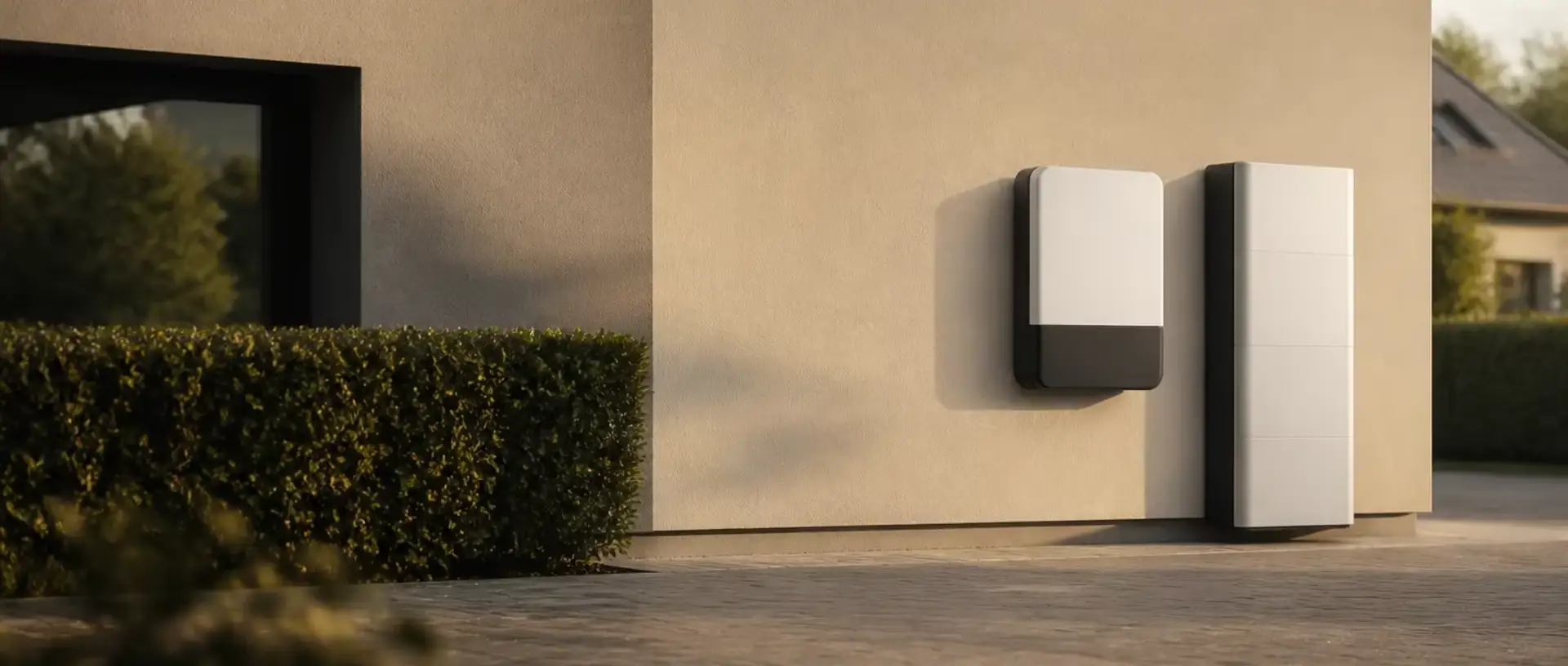
Panels generate DC power, an inverter converts it to AC, mounting holds the array, and optional batteries store surplus energy for the night or an outage.
How do I size a solar energy system for my home?
Start from your daily kilowatt-hour use, then match array and battery capacity to it. Ruihan Energy returns a sized recommendation within one business day.
Do solar energy systems need much maintenance?
Very little. Occasional cleaning and an annual check keep output steady, and batteries and inverters from Ruihan Energy are built for long service life.