
Off-Grid Solar Power Systems
PV hybrid storage for sites with no grid or an unreliable one: remote homes, farms, lodges, telecom base stations and mining camps. Systems are sized from a measured load audit and an agreed autonomy figure in days.
- 1-3 daysAutonomy window we design around
- 30-100KWAll-in-one PV hybrid class
- 6,000+Cycles on Grade A LiFePO4 cells
- 24hEngineering response to quotes
Most off-grid systems fail at the sizing stage
Off-grid projects rarely fail because an inverter was one size too small. They fail because nobody fixed an autonomy target in days, daily consumption was estimated rather than calculated, or the generator and the battery were bought as separate decisions.
- Autonomy described as “some backup time” instead of a fixed number of days
- Daily consumption read from a monthly bill instead of a measured load profile
- Surge loads from pumps and compressors left out of the inverter sizing
- No winter allowance, when a summer-sized array delivers a fraction of its output
Step one: a load audit, then a daily consumption figure
The load audit is the one part of an off-grid design that cannot be guessed. We list every appliance, split it into continuous, intermittent and seasonal loads, multiply each line by its daily run time and add the totals. Two figures matter more than the average: the nightly consumption the battery carries alone, and the largest simultaneous load that sizes the inverter.
- Appliance list with rated watts and quantity for each item
- Daily operating hours for every intermittent load, season by season
- Start-up behaviour of pumps, compressors, freezers and motors
- Night-time baseline that must run from battery alone
Step two: agree autonomy days, then size the bank
One day of autonomy rides through a dull day and the night that follows. Two days covers a normal weather front. Three days is what isolated homes, base stations and camps usually settle on. Usable capacity is daily consumption multiplied by the autonomy days and divided by the depth of discharge the battery is allowed to work in, then derated for cold weather and capacity fade. Nameplate kilowatt-hours are not deliverable kilowatt-hours.
Step three: run the generator and battery as one system
A generator remains part of most off-grid designs, and the goal is to make it run in long, efficient charging blocks rather than short, expensive ones. Start and stop thresholds are set wide apart so it cannot hunt around a single point, the charger draw is matched to its efficient load band, and the battery carries the load through the changeover so the site never sees the gap.
Winter weather and surge loads decide the real design
Every site has a season that decides the design: low sun and overcast skies in the north, monsoon elsewhere. Tilt the array for the worst month, oversize it against the summer load, split it into more than one string and keep capacity margin in the bank. Surge behaviour belongs in the same calculation, because a pump, compressor or motor can pull several times its running current at start-up, and that fraction of a second is what the inverter and the BMS must survive.
Built for sites that are nowhere near a service van
A system is only as good as the second visit. Remote homes, farms, lodges and camps are expensive to reach, so the design assumes that the person on site is not an engineer and that the next technician may arrive days later. Front-access modular battery racks, clear labelling and remote monitoring keep a small fault from becoming a site shutdown.
What a complete off-grid system includes
We supply off-grid storage as a matched package, so the inverter, battery, controls and monitoring are commissioned as one system.
- PV hybrid inverter with pure sine wave output and MPPT charge control
- LiFePO4 battery bank sized from the load audit and autonomy days
- Integrated BMS with cell balancing and peak discharge management
- Automatic transfer and generator interface for hybrid operation
- String protection and mounting provisions for the site array layout
- Monitoring access for the operator, the installer and the distributor
Standard export configurations are built for 220V/50Hz markets in Europe, Africa and Southeast Asia. For North American projects, contact our engineers so the correct configuration can be confirmed for your order.
Recommended off-grid configurations
Three packages cover most of the off-grid enquiries we receive, each supplied under your own brand.
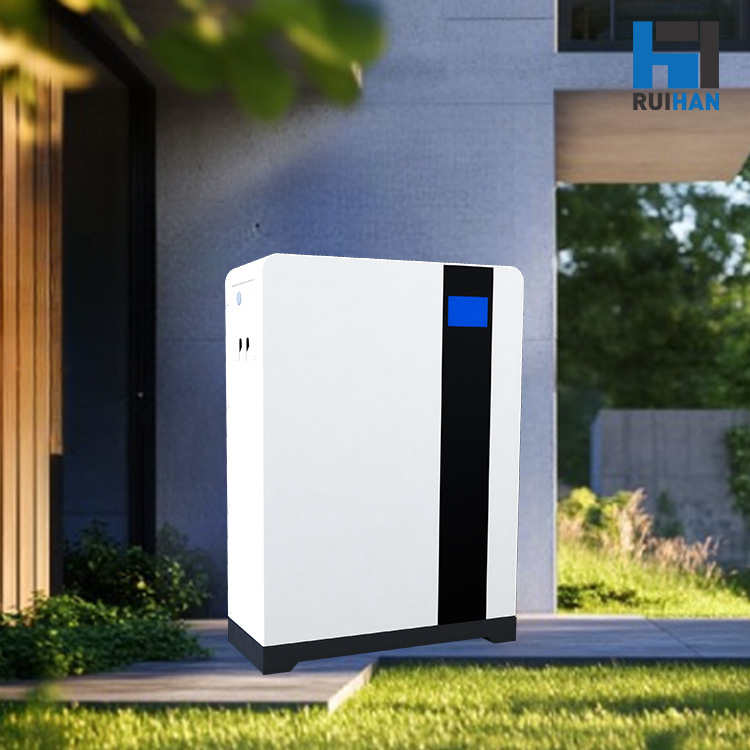
30-100KW / PV Hybrid
30-100KW All-in-One PV Hybrid Off-Grid
Container-class package for farms, lodges, factories and camps running water pumping, processing equipment and staff accommodation from one battery-backed supply.
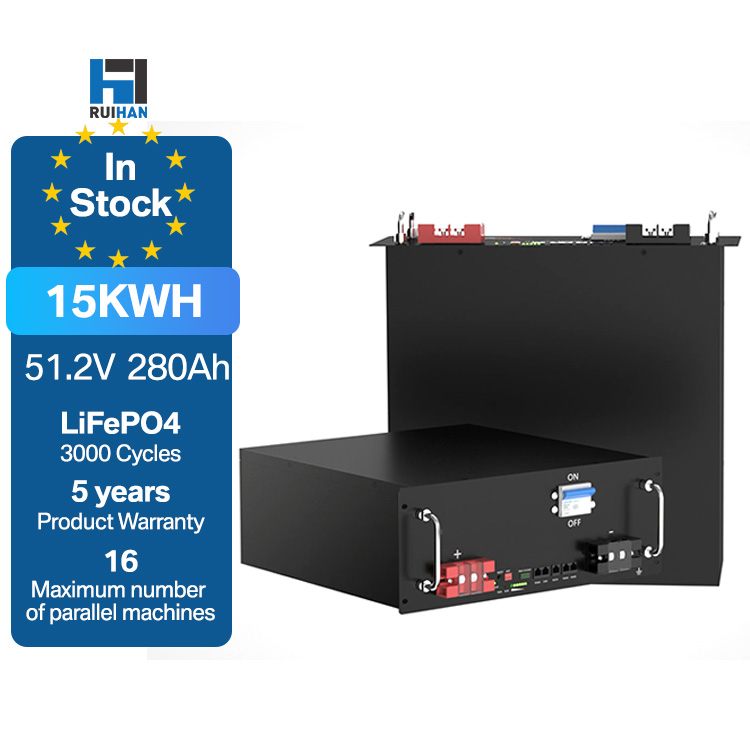
15KW / 51.2V 280Ah
15KW Energy Storage System 51.2V 280Ah
High-capacity bank for sites where supply cannot be interrupted, including medical buildings, data rooms and remote operations centres.
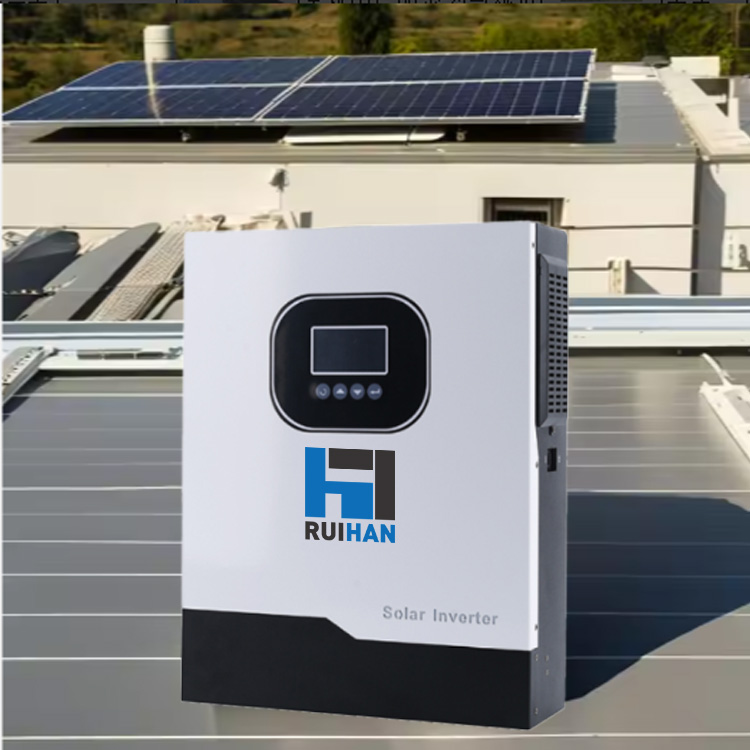
6KW / 230V
6KW Hybrid Off-Grid Inverter 230V MPPT
Single-phase building block for smaller remote homes and outbuildings, with MPPT solar input, WiFi monitoring and lithium battery communication.
Autonomy days, suggested capacity and typical loads
This is the starting point our engineers use when a distributor sends a load audit. Treat it as a starting estimate and confirm it against the load list and worst-month irradiance before you quote.
| Autonomy target | Suggested usable capacity | Typical loads covered |
|---|---|---|
| 1 day | 10-15 KWh | Lighting, refrigeration, communications, small appliances |
| 2 days | 20-30 KWh | Above plus water pumping, tools, laundry and a lodge or clinic load |
| 3 days | 30-45 KWh | Farm, lodge, camp or base station load held through extended cloud |
Starting estimate only, to be confirmed against the load list before ordering.
Why distributors and installers buy from Ruihan
We are an OEM/ODM manufacturer and wholesale supplier, not a retail reseller, so engineering support sits at the specification stage.
- Grade A LiFePO4 cellsRated for 6,000+ cycles under our manufacturing specification.
- Certified productionISO 9001 and ISO 14001 manufacturing, with CE, FCC, UN38.3 and RoHS compliance.
- Full portfolio, one supplierPortable power stations, LiFePO4 batteries, inverters and all-in-one systems from 200W to 5000W+.
- OEM and ODM supportYour branding, packaging and documentation on production runs.
- Volume pricing tiers50-100, 100-500 and 500+ unit tiers for distribution programmes.
- Reliable deliverySamples in 2-3 weeks, 95%+ on-time shipment rate and a 24-hour response window.
Most partners start with a sample and move into volume tiers as their installer network grows. See wholesale distribution, OEM and ODM manufacturing, performance cases, the battery range and the inverter range.
Frequently asked questions
How do we decide how many autonomy days a site needs?
Autonomy is the client’s decision and we size to it. One day suits a site that sees sun every day or two, two days is normal for a remote home or small farm, and three days is what we recommend for isolated sites, base stations and camps.
Can the system run alongside a diesel generator?
Yes, and most of our off-grid projects are designed that way. The generator recharges the bank in defined high-load blocks instead of following the load, which keeps it out of the inefficient light-load range and reduces start and stop cycles. The battery carries the load through the changeover.
How do the systems perform in low temperatures or long cloudy spells?
Both are planned for rather than assumed away. We add capacity margin for the worst month, tilt the array for the worst month rather than the best one, and confirm BMS low-temperature behaviour for your site. Share the winter irradiance data and we will size around it.
How do you support maintenance at a remote site?
Front-access modular battery racks let a single module be replaced on site without dismantling the bank. Remote monitoring reports state of charge and faults to the distributor, and a spare parts list is agreed at order stage.
What are your MOQ, sample and lead time terms?
Minimum order quantities start at the 50-100 unit tier, with 100-500 and 500+ tiers above that. Samples are typically ready in 2-3 weeks, quotations are returned within 24 hours, and our on-time shipment rate is above 95%.
Send your load audit and target autonomy days – our engineers will return a sized configuration and wholesale pricing within 24 hours.