
Residential Energy Storage Systems
All-in-one LiFePO4 storage for homes facing outages, unstable grids and rising tariffs. Systems are sized from a real load list – not from catalog wattage – and ship as a complete package: hybrid inverter, battery bank, BMS and monitoring.
- 10-24KWhHome system capacity range
- 10KW-11KWHybrid inverter class
- 6,000+Cycles on Grade A LiFePO4 cells
- 24hEngineering response to quotes
Most home storage projects fail at the sizing stage
A residential system that looks correct on a quotation sheet can still disappoint the homeowner in the first blackout. In our experience working with distributors and installers, four sizing mistakes account for most callbacks – and all four are avoidable before the order is placed.
- Sizing on inverter watts instead of usable kilowatt-hours, so the battery empties in the first hour of a real outage
- Ignoring surge loads such as well pumps, compressors and motor-driven appliances that pull 2-3x their running current at start-up
- Assuming lithium charges reliably in freezing weather without a heated or temperature-managed battery compartment
- Planning capacity without checking wall space, cable runs and whether the existing panel can host a critical-load sub-panel
What a complete residential system includes
We ship home storage as a matched package so that inverter, battery and monitoring are commissioned as one system rather than assembled from mismatched parts. Every configuration is built around the same six building blocks.
- Hybrid inverter (10KW or 11KW class) with pure sine wave output
- LiFePO4 battery bank sized from the household load list
- Integrated BMS with cell balancing and protection
- PV input through MPPT so existing or new arrays charge the bank directly
- Critical-load sub-panel with automatic transfer for backup circuits
- Monitoring access for the installer and the homeowner
Recommended home storage configurations
Three all-in-one configurations cover the majority of residential enquiries we receive. Each can be supplied under your own brand for distribution and installation projects.
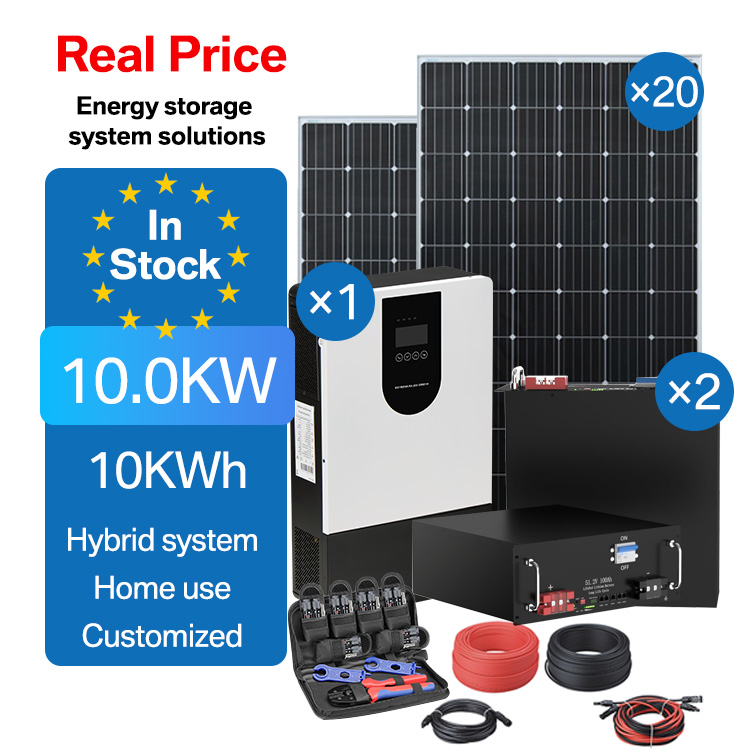
10KWh All-in-One Home System
Entry point for essential-circuit backup. Covers lighting, refrigeration, communications and small appliances during an outage, with room to add PV later.
View 10KWh system →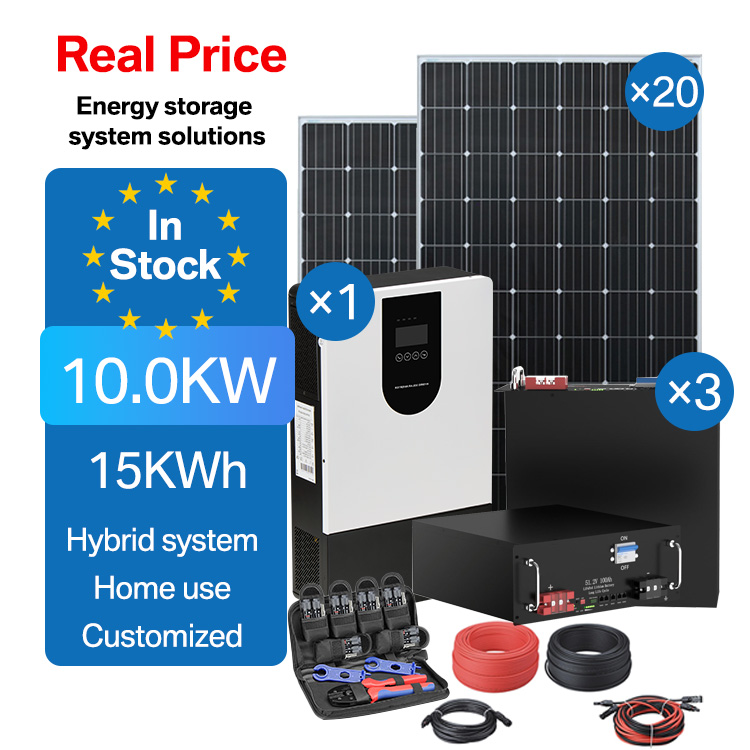
15KWh Long-Runtime System
Mid-range build for households running well pumps, microwaves and longer evening loads. The most requested configuration for retrofit projects.
View 15KWh system →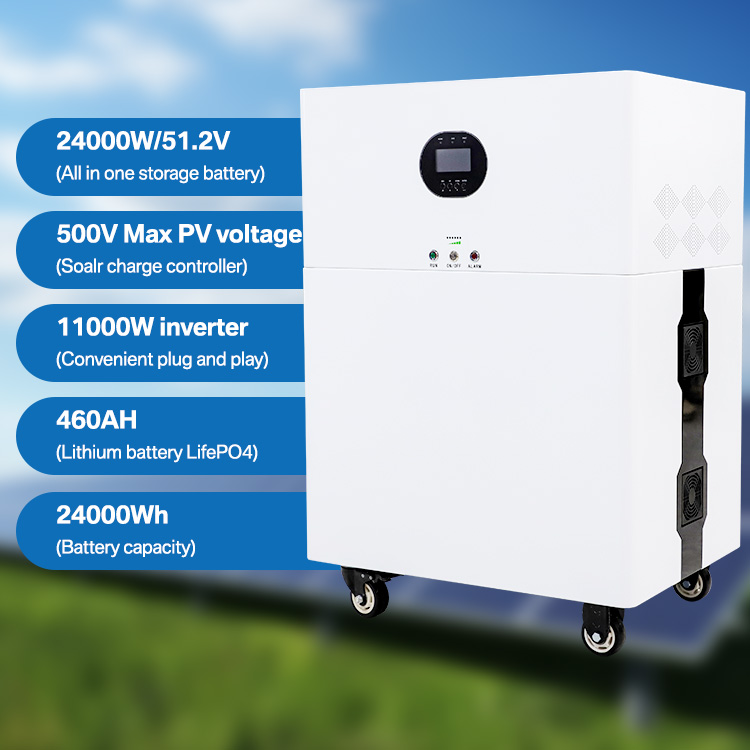
24KWh Whole-House System
Full-home backup where air conditioning or electric heating must stay online through extended outages. Largest capacity in our residential line.
View 24KWh system →Sizing guidance for your first proposal
The table below is the starting point our engineers use when a distributor sends over a load list. Treat it as a first estimate and confirm against actual surge loads and daily consumption before quoting.
| Daily consumption | Suggested capacity | Typical backed-up loads |
|---|---|---|
| 6-8 KWh / day | 10KWh | Lighting, router, TV, refrigerator |
| 10-14 KWh / day | 15KWh | Above plus well pump, microwave, small tools |
| 18-24 KWh / day | 24KWh | Whole house including air conditioning or heating |
Retrofit or new build? The design decisions differ
A house that already has solar behaves differently from a house starting from zero, and the difference shows up in what can be reused and what has to change.
- Retrofit: confirm the existing inverter can accept battery input, or plan to replace it with a hybrid unit
- Retrofit: check whether the main panel has space for a critical-load sub-panel and whether cable runs are accessible
- New build: agree the backup circuits before the wall closes, so conduit and layout match the final system
- Both: decide early whether heating and cooling are backed up, since that choice drives capacity more than any other
For distribution partners, the practical consequence is that residential projects should be quoted from a completed load list rather than from a repeatable catalog configuration. Our engineers review the list and return a sized proposal, which you can present to the homeowner without rework.
What to send us for a sized quotation
The faster the inputs arrive, the faster a workable configuration comes back. These five items are enough for a first engineering response, usually within 24 hours.
- Appliance list with running and surge loads, plus which circuits must stay online
- Target backup duration in hours or days
- Existing PV details, if any: array size, string voltage and inverter model
- Target market and electrical configuration, so the export build is correct
- Order quantity and timeline, so pricing lands on the right volume tier
If you want the sizing logic behind these configurations, read our guide to home energy self-sufficiency.
Why distributors and installers buy from Ruihan
We are an OEM/ODM manufacturer and wholesale supplier, not a retail reseller. That means engineering support at the specification stage and commercial terms built for project business.
- Grade A LiFePO4 cellsRated for 6,000+ cycles under our manufacturing specification.
- Certified productionISO 9001 and ISO 14001 manufacturing, with CE, FCC, UN38.3 and RoHS compliance across the range.
- Full portfolio, one supplierPortable power stations, LiFePO4 batteries, inverters and all-in-one systems from 200W to 5000W+.
- OEM and ODM supportYour branding, packaging and documentation on production runs.
- Volume pricing tiers50-100, 100-500 and 500+ unit tiers for distribution programmes.
- Reliable deliverySamples in 2-3 weeks, 95%+ on-time shipment rate and a 24-hour response window on enquiries.
Frequently asked questions
What system size fits a typical three-bedroom home?
Most three-bedroom households we quote land between 10KWh and 15KWh of usable capacity, depending on whether air conditioning runs on backup. Send us the appliance list and we will return a sized recommendation with surge loads already accounted for.
Can the customer’s existing solar array be reused?
In most cases yes. Our hybrid inverters accept PV input through MPPT, provided string voltage and current fall inside the inverter window. Share the array specifications and we will confirm compatibility before you commit to the design.
Do you support OEM or ODM branding for distribution?
Yes. We manufacture under distributor and installer brands with custom enclosures, packaging and documentation. Minimum order quantities start at the 50-100 unit tier, and samples are typically ready in 2-3 weeks.
Are these systems available in 110V/120V for North America?
Our standard export configurations are built for 220V/50Hz markets in Europe, Africa and Southeast Asia. For North American projects, contact our engineers with your requirements so the correct configuration can be confirmed for your order.
How quickly can you quote and ship a project order?
Quotations are returned within 24 hours of receiving your load list and target quantity. Production and shipping schedules are confirmed at order stage, and our on-time shipment rate is above 95%.