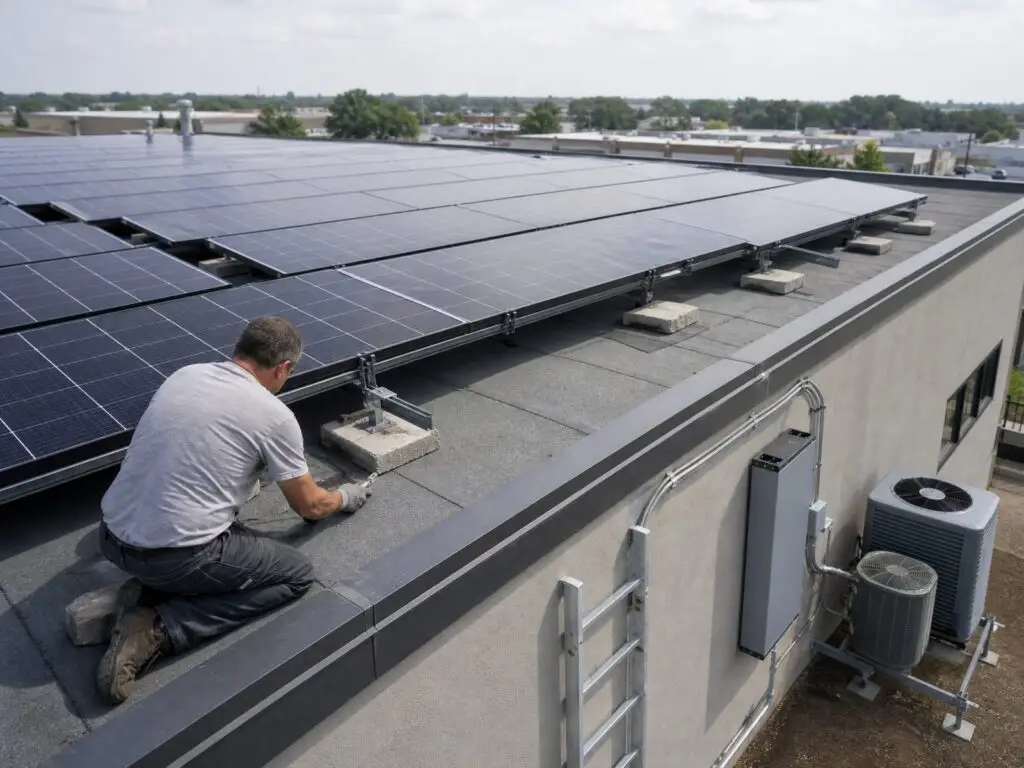
Behind-the-Meter Storage: The 2026 Policy Calendar That Decides Your Power Timeline
FERC’s large-load orders, Texas’s paused queue and PJM’s capped capacity auction all point one way: on-site storage is now the fastest path to power.

FERC’s large-load orders, Texas’s paused queue and PJM’s capped capacity auction all point one way: on-site storage is now the fastest path to power.
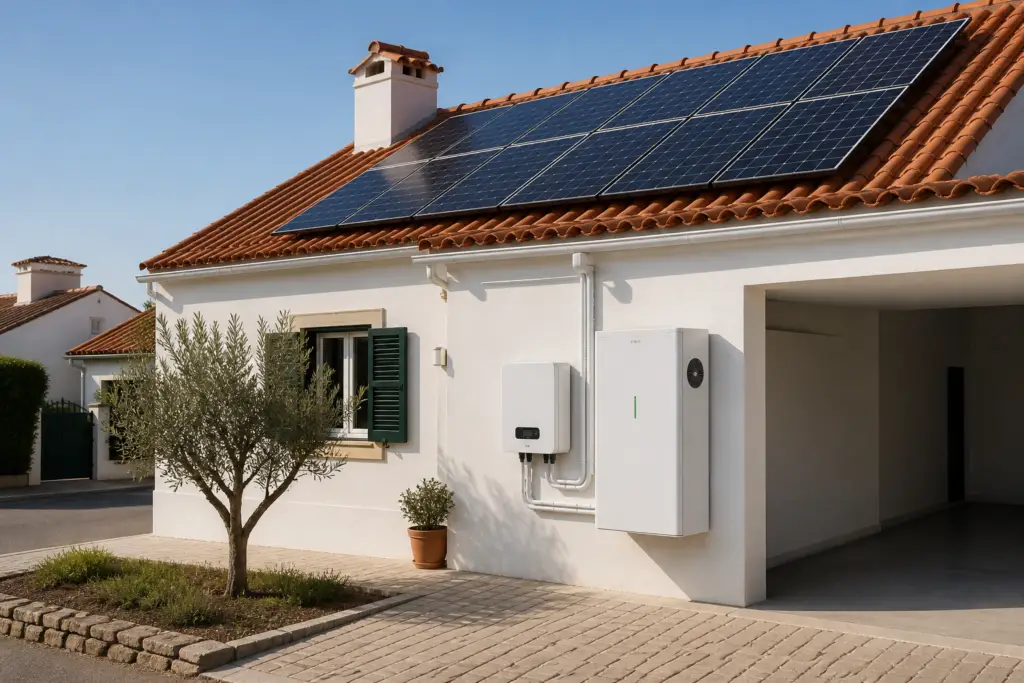
A 48-home residential retrofit in Portugal: how Ruihan 5.12 kWh LFP storage cut the annual energy bill by €13,430 by converting near-worthless solar export into self-consumption.
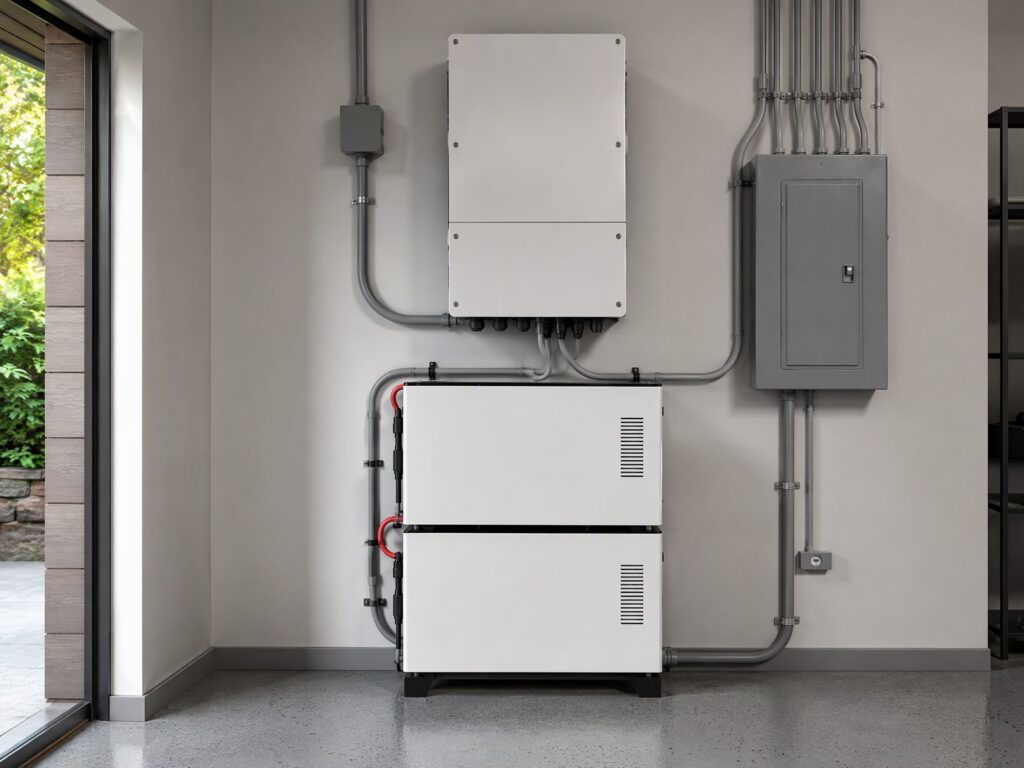
Solar battery retrofit in 2026: architecture choices, load-block sizing, a payback matrix, and the procurement checklist dealers need before quoting.
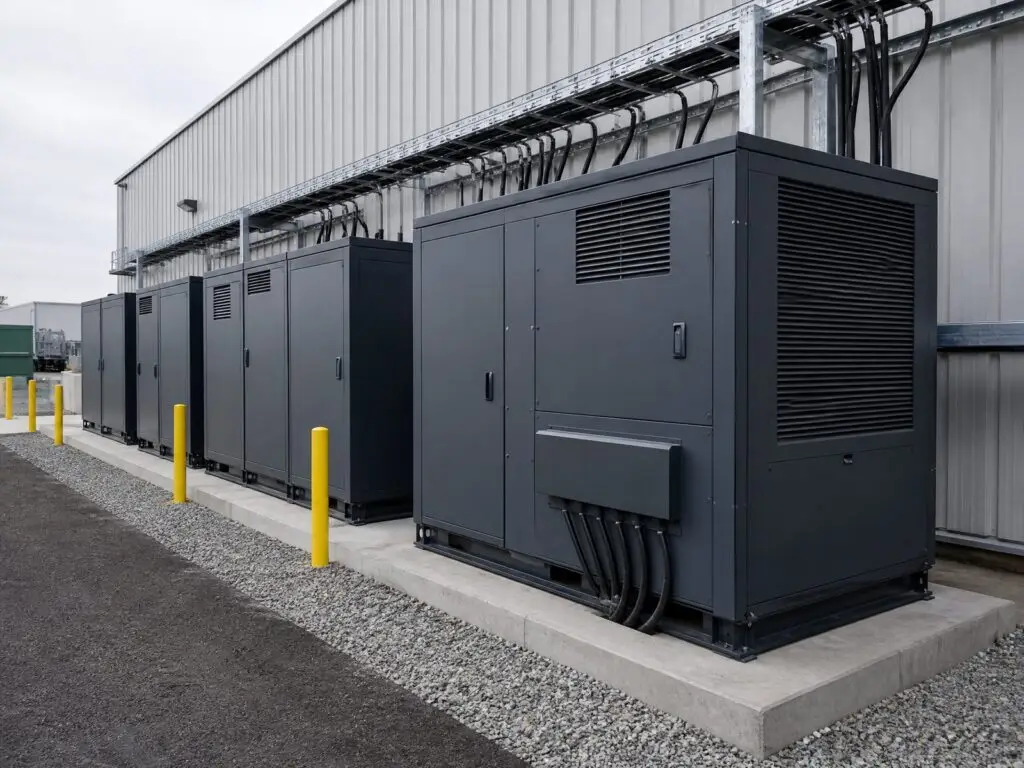
IEEE 1547-2018 sets the grid-support behaviour; UL 1741 SB proves it. A buyer checklist for certificates, firmware and shipped settings profiles.
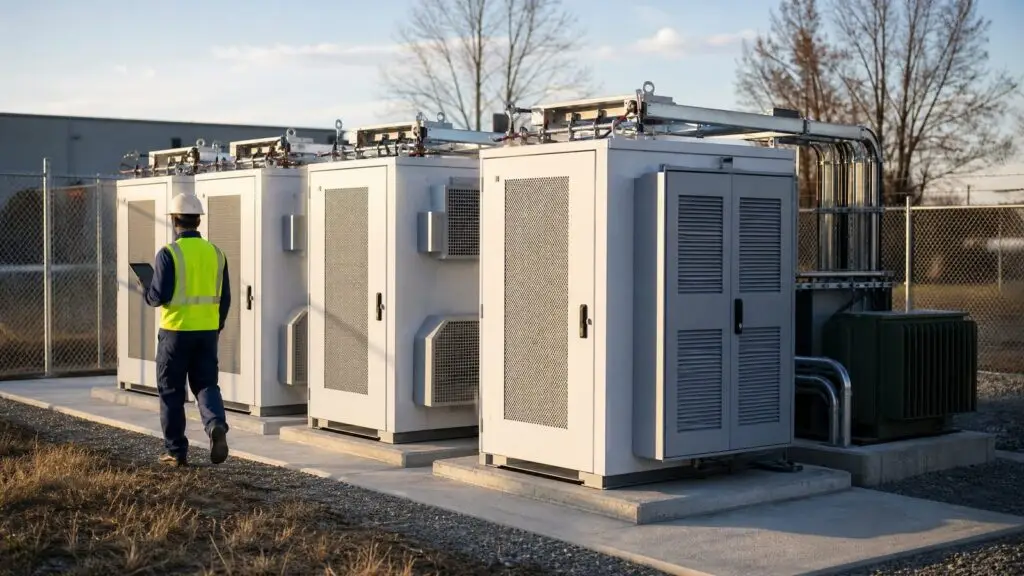
UL 9540A Edition 6 turns the installation-level large-scale fire test into the deciding document for U.S. storage approvals. Here is what to request.

The 30% residential solar battery tax credit ended Dec 31, 2025. See what still qualifies under Section 48E in 2026, the FEOC rules, and how to spec storage.
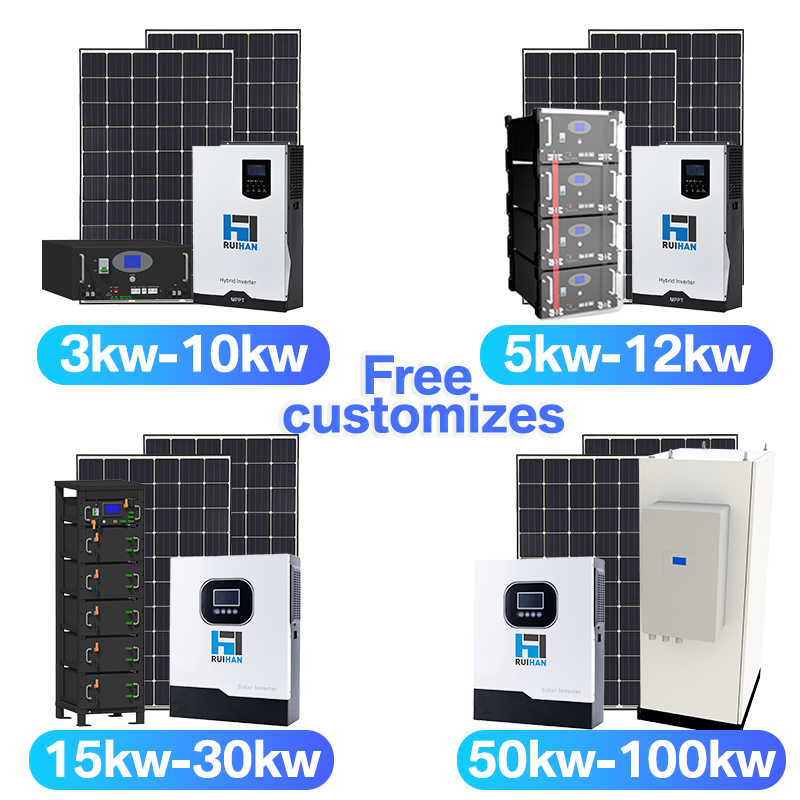
Why Energy Storage is Crucial for Solar Power Systems Bridging the Gap Between Supply and Demand The solar systems depends naturally
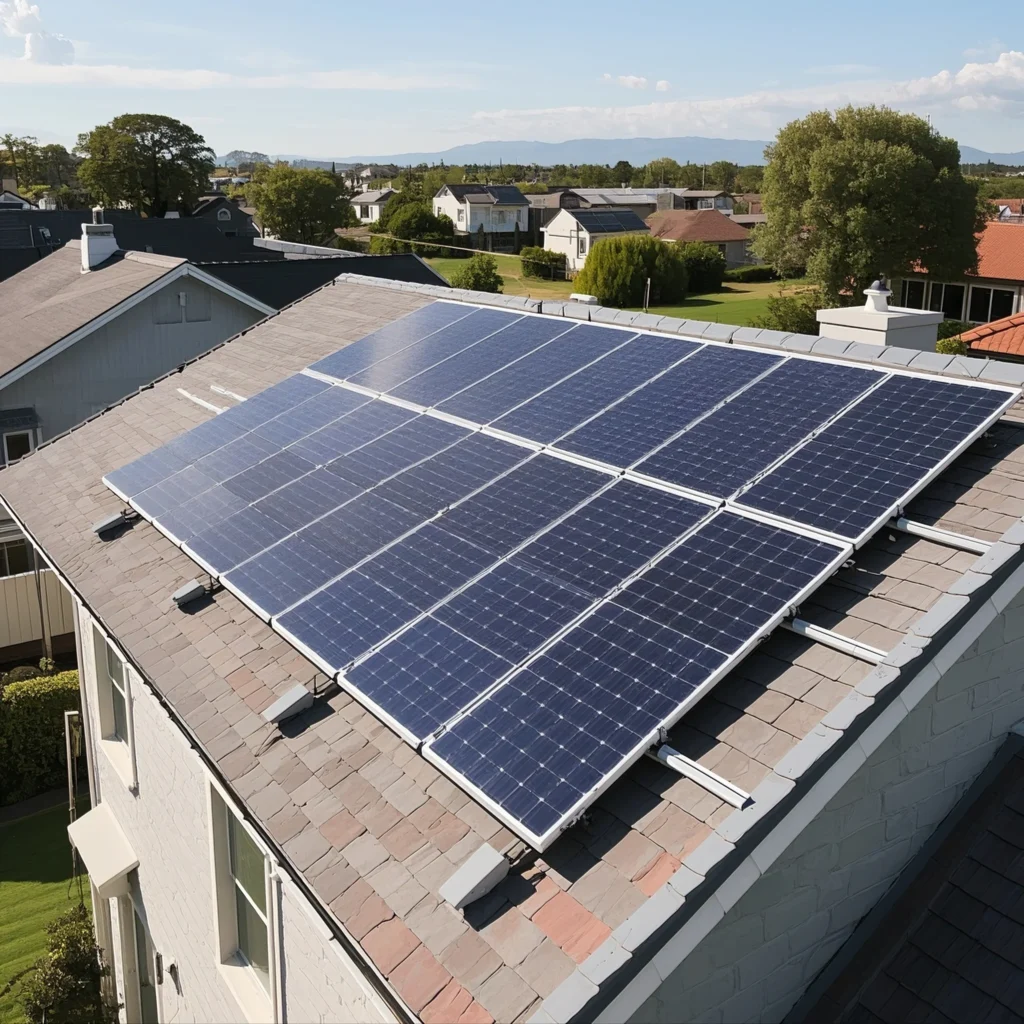
Assessing Your Roof’s Solar Potential Evaluating Roof Orientation and Sun Exposure The orientation of your roof and the way it
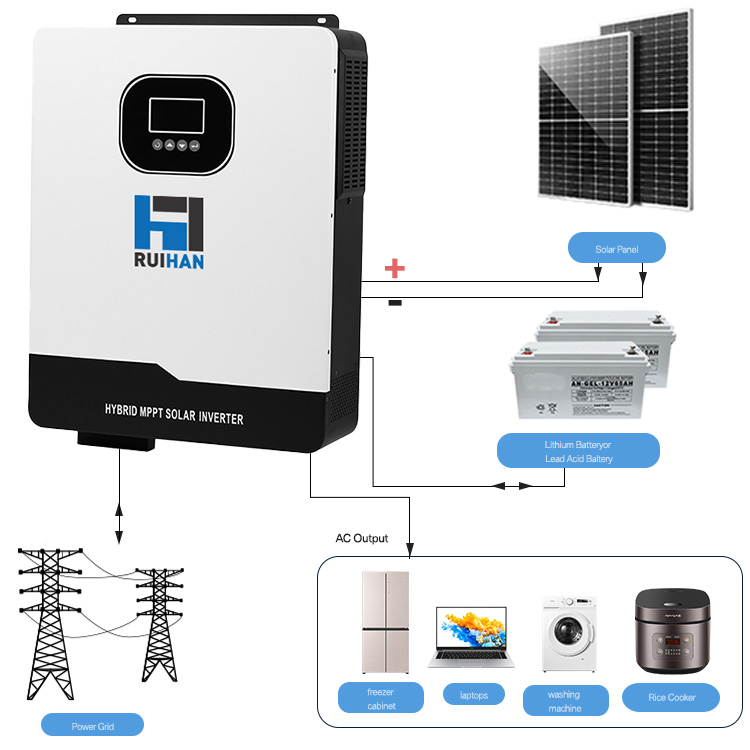
Environmental Benefits of Photovoltaic Technology Reducing Carbon Footprint with Solar Power Systems Solar tech helps cut down on greenhouse gases
How Solar Energy Systems Work The Photovoltaic Effect Explained The PV effect happens when sunlight gets turned into electricity through
These articles are written for installers, distributors and specifiers who already know their way around a DC circuit. Each guide takes one decision - sizing, protection, certification, transport or field failure - and works it through to the numbers you would actually put in a quotation. Where a claim depends on a standard, the article links to the body that publishes it rather than restating it second-hand.
New guides publish three times a week, on Tuesday, Thursday and Saturday. If a question keeps coming up in distributor onboarding, it is usually the next thing we write about - so read the FAQ below before sending a support ticket, and use the contact form if your case is not covered.
The Ruihan technical team writes them from installation experience and from the published standards, and each article lists the standards it references at the bottom. Product-specific figures come from our own test reports, not from third-party datasheets.
Three times a week - Tuesday, Thursday and Saturday. Older articles are revised when a standard changes or when field feedback contradicts something we wrote, and the revision date is shown on the article itself.
Installers, distributors and procurement staff. They assume basic familiarity with AC and DC systems, so they skip the introductory material and go straight to sizing methods, protection coordination and the paperwork a shipment needs.
Where a claim depends on one, yes - typically UL 9540A and UL 1973 for North American stationary storage, IEC 62619 for industrial lithium cells, UN38.3 for transport, and CE / RoHS for the EU. The link goes to the standards body, so you can check the current edition yourself.
Yes. Send it through the contact form and describe the market and the application. Questions that recur across several distributors get prioritised, because they usually point at a gap in the public documentation rather than a one-off.
Model-level datasheets live on the product pages under Energy Storage Systems and Power Inverter. If a document is missing, request it with the quote - test reports and certificate copies are released per model, some under NDA.
References: UL Solutions - UL 9540A and UL 1973 · IEC - IEC 62619:2022 · IEA - Batteries and Secure Energy Transitions (2024)