
The Critical Role of Solar Inverters in Modern Energy Systems
DC to AC Conversion Explained
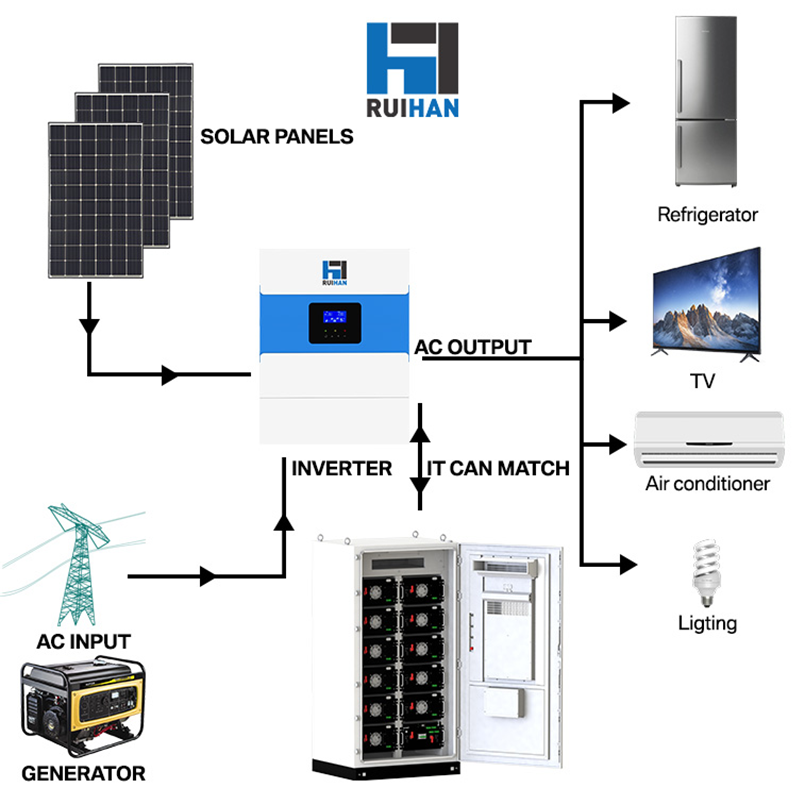
Solar inverters play a key role in changing the direct current (DC) electricity produced by solar panels into alternating current (AC), which most homes need to run appliances and connect to the power grid. Think of it like turning a steady trickle of water into a rushing stream that can power anything along its path. Over recent years, technology has improved so much that these inverters waste far less energy when doing this conversion job. Some top models today reach efficiencies over 98%, meaning almost all the sunlight captured gets turned into usable electricity instead of being lost as heat. What does this really mean? For homeowners and businesses alike, better conversion means getting more value out of their solar installation. With cleaner, more efficient inverters becoming standard equipment, solar power continues to become a realistic alternative energy option across different property types and budgets.
Compatibility with Solar Energy Storage
Solar inverters do more than just convert DC to AC power they actually make it possible to connect solar panels with energy storage solutions. When there’s extra electricity generated during peak sunlight hours, these inverters help put that power into batteries instead of letting it go to waste. Most modern systems work well with both lithium-ion packs and traditional lead-acid batteries, giving homeowners options depending on their budget and needs. The batteries then kick in whenever there’s not enough sunshine, whether it’s overcast or nighttime. Battery tech has come a long way recently too. Manufacturers have managed to pack more storage into smaller units while getting better performance out of each charge cycle. These improvements mean longer lasting systems and lower overall costs for consumers who want to rely less on grid power. Even on those gray winter days when the sun hides behind clouds, properly equipped homes can still draw from their stored solar energy reserves.
Grid Interaction and Energy Independence
Solar inverters are really important when it comes to how homes connect with the electrical grid. They make things like net metering possible, which lets people actually sell extra solar power back to their utility company. Homeowners save money this way because they get credit on their bill for all that unused electricity going into the grid. What’s more, having a system that works well with the grid means families aren’t so dependent on outside power companies anymore. We’re seeing more and more homes switch to solar these days, mainly because folks want lower monthly bills and some financial return from their investment. The growing popularity of residential solar installations clearly shows why good quality inverters matter so much. They help cut down on energy costs while making our overall approach to electricity usage both greener and smarter in the long run.
Key Benefits of Using Solar Inverters in Home Energy Systems
Enhancing Solar Power Efficiency
Solar inverters play a key role in getting the most out of solar panels these days, mainly because they incorporate something called Maximum Power Point Tracking or MPPT technology. What this does is help panels maintain their best possible performance even when weather changes throughout the day or temperatures fluctuate. Looking at actual field data from various installations shows that good quality inverters make a real difference in how much electricity gets generated. Some tests have found improvements ranging between 5% and 10% in overall system efficiency. Homeowners who spend money on better solar equipment usually see both increased power generation and lower bills over time. This combination of benefits explains why so many people are switching to solar now despite initial costs seeming high at first glance.
Supporting Scalable Solar Power Systems
Solar inverters give homeowners real flexibility when they want to expand their solar setup as their energy needs increase over time. Choosing the right kind of inverter matters a lot when thinking about how big the system might get down the road. Good inverters let people add more panels or batteries later without tearing everything apart. We’ve seen plenty of homes start small with just a few panels but then grow into full-blown solar setups because they had the right inverter from day one. That shows how versatile these systems can be. As families grow and appliances multiply, having an inverter that keeps up with changing energy demands makes all the difference in maintaining a reliable home power solution.
Enabling Smart Energy Management
Modern solar inverters now come with smart energy management built right in, which helps optimize how households actually use their power. Take for instance the latest models that include monitoring capabilities showing exactly what’s happening with energy production versus consumption at any given moment. Homeowners can check these stats on their phones or tablets, making it much easier to decide when to run appliances or adjust settings based on actual usage patterns. The upside? Lower monthly electric bills definitely happen, plus homes become way more efficient overall. When we look at how solar panels work together with other smart home tech like thermostats and lighting controls, it paints a pretty clear picture of where energy management is heading. People aren’t just saving money anymore they’re gaining control over their entire household’s energy footprint.
As we see advancements in solar energy for home setups, exploring how these aspects contribute to energy independence becomes increasingly relevant. I look forward to discussing their interplay in subsequent sections.
Types of Solar Inverters for Different Applications
String vs. Microinverters: Choosing the Right Fit
The decision between string inverters versus microinverters really comes down to what the solar installation requires and what limitations exist. String inverters work as central hubs where several panels hook up to just one main unit. These tend to be cheaper upfront and work great when all panels point the same way without any shadows getting in their path. But watch out because if even one panel gets shaded or damaged somehow, the whole chain suffers performance losses. Microinverters take a different approach by attaching directly to each panel individually. This means we can monitor every panel separately and keep most of our system running efficiently even if some panels aren’t performing at peak levels. Sure, microinverters cost more money at first glance, but they often pay off in the long run through better power production, particularly useful in setups where panels face different directions or deal with partial shading problems. From what many installers see in the field, these smaller inverters generally handle complicated layouts much better while delivering stronger energy outputs as months go by.
Hybrid Inverters for Integrated Solar Energy Storage
Homeowners are turning to hybrid inverters as game changers in their energy systems because these devices combine solar power generation with built-in storage. What makes them so effective? They handle both the incoming sunlight and stored electricity in batteries, which explains why more families are installing them across the country. The main reason folks love them? They keep the lights on when the sun goes down or during those occasional blackouts we all hate. For anyone looking to store more solar energy, these inverters create a smooth system where energy gets used right away or saved for later depending on what’s needed most. Nighttime brings different energy demands than daytime, but hybrid inverters make sure there’s always some power ready to go. Industry insiders note that sales have jumped dramatically over recent years, showing just how important these units have become for households wanting dependable solar power solutions.
Three-Phase vs. Single-Phase Systems
Knowing the difference between three phase and single phase systems matters when picking out the right setup for solar panels at home or in business settings. Most businesses go with three phase systems because they can handle bigger loads and keep power flowing steadily, which works great for companies needing lots of electricity. Residential homes usually stick with single phase systems since they’re good enough for everyday appliances around the house, even though they cant carry as much weight. The choice really comes down to how much power someone actually needs. Three phase setups distribute energy better for big installations where growth might be expected, but single phase options tend to save money for regular households installing solar panels. When looking at numbers, three phase systems definitely win out for bigger projects that need reliable power over time, while single phase remains the budget friendly option for most family homes going solar.
Maintaining and Optimizing Your Solar Inverter Investment
Lifespan Considerations and Replacement Cycles
Knowing how long solar inverters typically last helps homeowners get the most out of their solar power setup. Most inverters run for around 10 to 15 years give or take, depending on how they’re used and what kind of weather beats down on them. Keeping things running smoothly means doing basic maintenance work now and then, like giving components a good clean and checking those electrical connections for wear and tear. The folks at the US Department of Energy suggest looking at how well inverters perform roughly every three to five years before thinking about replacing them. Taking care of these details upfront makes sure residential solar systems keep producing reliable electricity without unexpected hiccups down the road.
Safety Measures for High-Voltage Systems
Safety standards matter a lot when working with those high voltage solar inverters in any solar setup. Get things wrong during installation and there are real dangers involved electrical shocks come to mind first, along with potential fire hazards. That’s why most folks turn to professionals who know what they’re doing. Organizations like the National Electrical Code have put together detailed rules about how installations should be done properly. These aren’t just bureaucratic requirements either following them actually saves money in the long run while keeping everything running without problems. Most homeowners find out quickly enough that cutting corners here can lead to serious headaches down the road.
Future Trends: How Solar Inverters Are Shaping Renewable Energy
Smart Inverters and Grid Resilience
Smart inverters play a key role in making solar power grids more stable and reliable. These devices can adjust themselves when energy needs change throughout the day, helping solar systems perform better under different conditions. Recent tech improvements mean they come with fancy control systems and ways to talk to other parts of the energy network. The International Energy Agency actually mentions something interesting in their latest report about this topic. They say that getting smart inverters connected properly helps manage all those small energy sources scattered around the country, which makes the whole grid stronger against problems. As we move forward, more homes and businesses will likely install these smart inverters. This trend should lead to better connections between solar panels and the main power lines, making solar energy work more efficiently everywhere from neighborhoods to entire countries.
Sustainability Innovations in Solar Technology
Sustainability efforts within the solar inverter sector are increasingly important as companies look to incorporate greener materials and production methods. Many top manufacturers have started switching to components that can be recycled or will naturally decompose over time, which cuts down on waste going into landfills. Some firms have even pledged to slash their emissions through cleaner factory operations and better supply chain management. Industry insiders point out that consumers wanting environmentally friendly options have played a big role in pushing this change forward. What we’re seeing represents real progress in making home solar systems more planet friendly, something that matters a lot when considering how much energy gets stored and used throughout the day.
Market Growth and Global Adoption Patterns
Solar inverters are gaining ground worldwide thanks to better performance from solar panels and dropping prices for equipment. Market reports suggest we’re looking at around 8% annual growth in the solar inverter business over the coming half decade. Countries in Asia and Latin America especially are stepping up their game here because governments there are offering incentives and pushing harder for clean energy solutions. Cheaper hardware, smarter tech developments, and regulations that actually support green initiatives have all helped push solar adoption across different sectors. While challenges remain, especially regarding storage and grid integration, the long term outlook remains bright. More communities seem ready to embrace solar power now that they’ve seen what works and what doesn’t after years of trial and error.
Frequently Asked Questions about solar inverters
What does a solar inverter do in a home energy system?
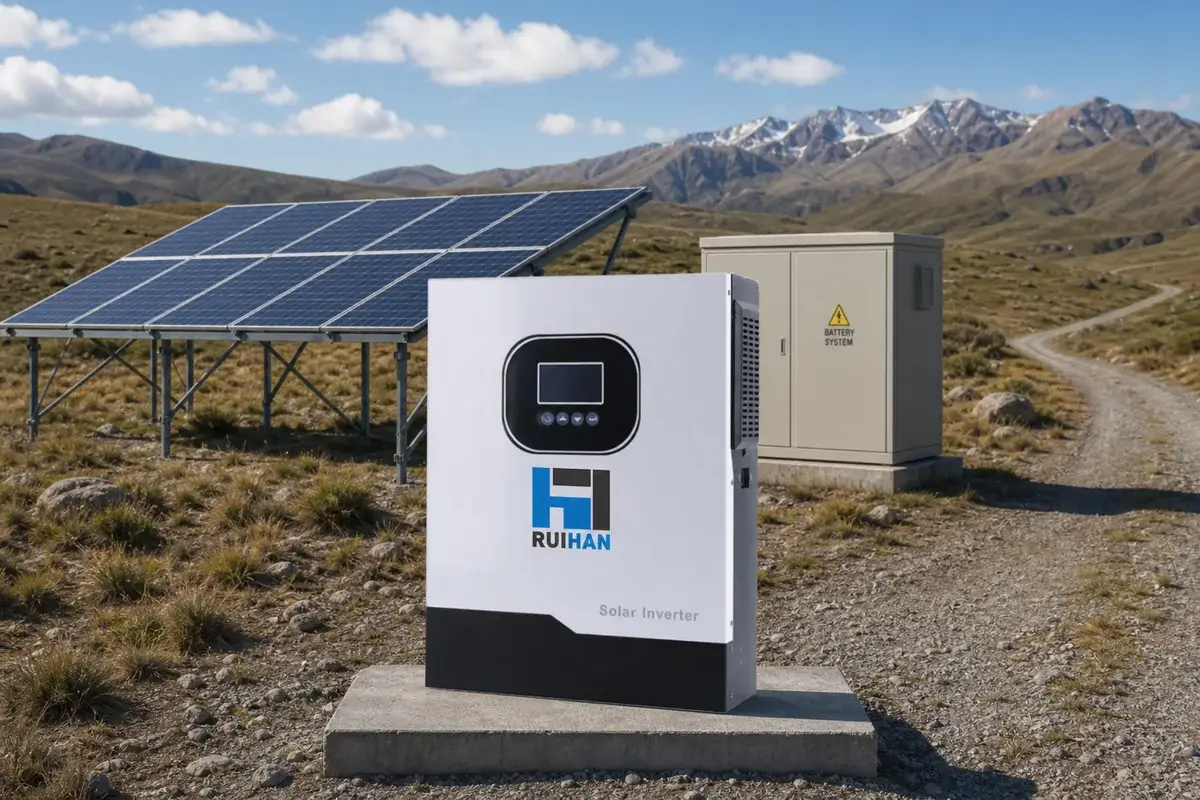
A solar inverter converts the direct current from solar panels into usable alternating current, so household appliances and battery storage can run on the power your array produces.
How do I choose the right size for solar inverters?
Match inverter capacity to your array and peak load, leave headroom for surge loads, and confirm battery and grid compatibility. Ruihan Energy supplies units from 200W to 5000W+.
Why do solar inverters matter for system efficiency?
The inverter sets conversion efficiency and tracking performance. A well matched unit with high efficiency and pure sine wave output keeps more of your array output usable.