
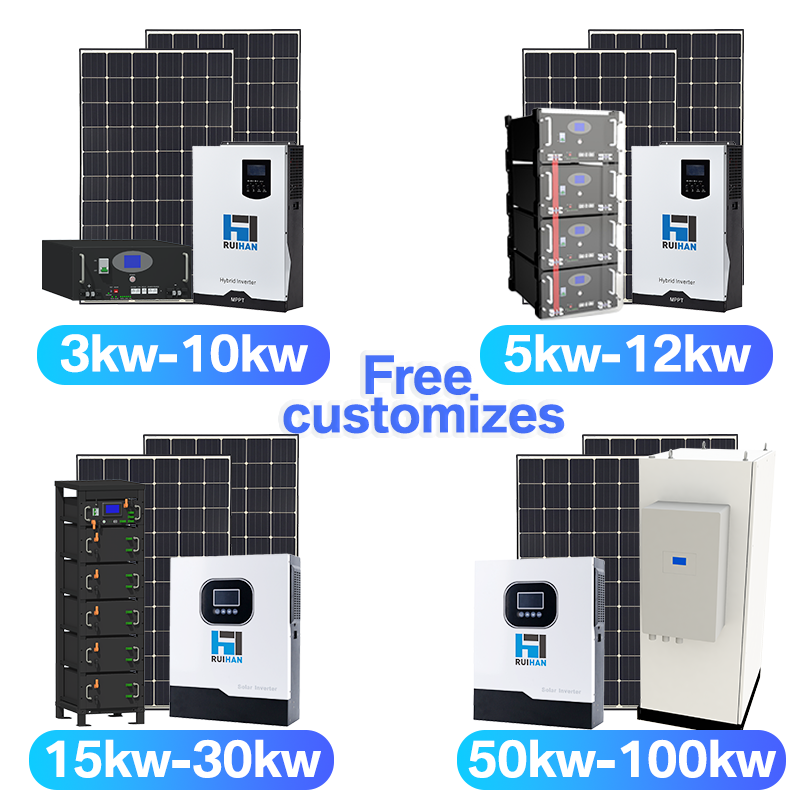
As the global energy mix shifts toward cleaner and smarter energy, commercial battery energy storage systems have become essential for enterprises to optimize energy use and reduce operating costs. They serve not only as “energy warehouses” for storing electricity but also as a key technological enabler for sustainable business development. Their core value and operational logic can be further analyzed from the following three perspectives.
1. Core Definition: The “Smart Energy Storage Hub” of Enterprise Energy Infrastructure
Commercial battery energy storage systems are clean energy storage devices developed based on advanced battery technology. Their core function is to capture and store electricity, flexibly dispatching it when needed to provide stable and efficient power to the enterprise’s energy infrastructure.
Compared to home energy storage systems, they focus more on enterprise-level needs. Whether in manufacturing, retail, data centers, or healthcare settings, these systems enable enterprises to “autonomously control the timing and mode of electricity use,” thereby improving energy efficiency, reducing reliance on traditional power grids, and promoting the transition of operational models toward low-carbon development.
II. Core Logic: “Diversified Energy Storage + Flexible Power Use” for All-Scenario Adaptation
The operation of commercial battery energy storage systems revolves around “storing effectively and using efficiently,” forming a complete energy management closed loop from energy source to actual application:
1. Diversified Energy Sources, Balancing Economic Efficiency and Clean Energy
The system can store energy from a wide range of sources, covering the diverse electricity needs of businesses:
Off-peak Power: Power is drawn from the grid during off-peak hours (such as nighttime) when demand is low and prices are low, reducing storage costs.
Renewable Energy: Power generated by a business’s own solar panels and wind turbines is directly stored, avoiding the waste of unused clean energy and helping businesses reduce carbon emissions. 2. Multi-scenario power scheduling addresses core enterprise pain points.
Stored electricity can be flexibly allocated based on actual business needs, precisely addressing different scenarios:
Peak-hour cost reduction: During peak hours (such as daytime production and shopping mall hours), low-priced stored electricity is prioritized for use, replacing high-priced grid power, directly reducing energy costs.
Power outage emergency power supply: In the event of a sudden grid outage, the system quickly switches to backup power mode, ensuring uninterrupted operation of critical facilities such as production lines, servers, and refrigeration equipment, minimizing downtime losses.
Grid collaboration and interaction: In certain policy-supported areas, enterprises can feed excess stored electricity back to the grid, participating in grid peak-shaving services and generating additional revenue.
III. Core Value: Multi-Dimensional Empowerment from “Cost Control” to “Sustainable Development”
The value of commercial battery energy storage systems goes far beyond simply storing electricity. They provide businesses with comprehensive energy management solutions:
Cost Reduction and Efficiency Improvement: A “off-peak storage + peak discharge” model reduces electricity bills, while minimizing production disruptions caused by power outages and improving operational efficiency.
Energy Independence: Eliminating sole reliance on the traditional power grid and integrating renewable energy to achieve partial power self-sufficiency, enhancing the stability and resilience of a business’s energy supply.
Intelligent Management: The system can be programmed to adapt to business needs, automatically adjusting charging and discharging strategies based on real-time electricity prices, peak demand periods, and production schedules, eliminating the need for manual intervention and reducing management costs.
Green Transformation: By efficiently utilizing clean electricity, businesses can reduce carbon emissions, contributing to the achievement of the national “dual carbon” goals while also fostering a green and environmentally friendly brand image.
As the “new infrastructure” of enterprise energy management, commercial battery energy storage systems are becoming the preferred choice of an increasing number of businesses. It not only serves as a protective shield against energy price fluctuations and ensures power stability, but also acts as an accelerator to propel businesses toward efficient, low-carbon, and sustainable development, providing strong support for companies to gain a competitive advantage in the new energy landscape.
If you’re interested in commercial battery energy storage system solutions for different industries, contact our official website for a personalized quote.