
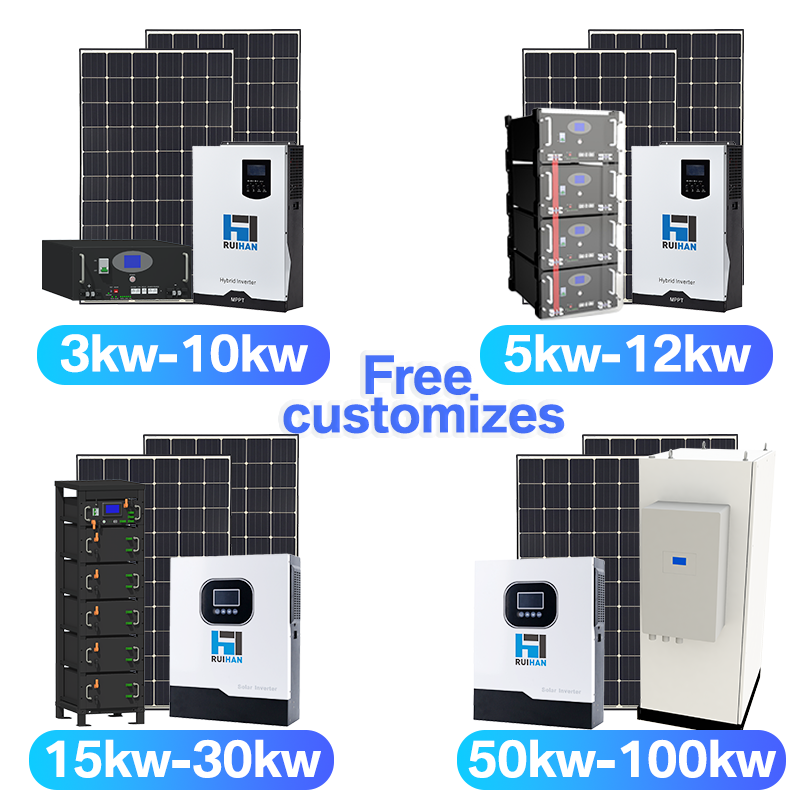
In the fast-growing commercial energy storage market, one critical question for businesses is: How long can these systems reliably store energy? The answer hinges on technology type, system design, and usage patterns—but modern solutions offer far more flexibility than many realize. Below is a detailed breakdown of storage duration, optimal use cases, and lifecycle expectations to help businesses make informed decisions.
1. Core Influencer: Technology Determines Storage Potential
The storage duration of commercial battery systems is first defined by their underlying technology. Among mainstream options, lithium-ion batteries—dominant in commercial applications—stand out for their long idle storage capability:
Idle Storage Performance: When left unused (e.g., as backup power for rare outages), lithium-ion systems retain 97–98% of their charge per month. This means a fully charged 100kWh system would still have ~94kWh available after 3 months of inactivity, enough to power critical business operations for hours or days.
Other Technologies: For comparison, lead-acid batteries (less common in commercial settings today) lose 5–8% of charge monthly, while flow batteries offer similar idle retention to lithium-ion but with different scalability tradeoffs.
2. Designed for Active Cycling, Not Indefinite Storage
While commercial battery systems can hold energy for months, their design prioritizes daily charge-discharge cycles—the optimal use case for cost savings and grid support:
Typical Application: Charge during off-peak hours (low electricity prices) or peak renewable generation (e.g., midday solar), then discharge during peak demand (high prices or low renewable output).
Why Not Long-Term Idle Storage? Extended inactivity isn’t inefficient, but it wastes the system’s core value: balancing energy supply/demand to cut costs, reduce grid reliance, and support sustainability goals.
3. Lifespan: How Long Do Systems Remain Functional?
Beyond short-term storage duration, businesses care about long-term reliability. A well-maintained commercial battery storage system delivers:
Lifecycle: 10–20 years of operational use, depending on key factors:
Cycle Management: Limiting deep discharges (e.g., avoiding draining below 20% capacity) extends lifespan.
Environmental Conditions: Operating in 15–35℃ environments (typical of warehouses or data centers) prevents battery degradation.
Component Quality: High-grade cells and advanced battery management systems (BMS) reduce wear.
Practical Benchmark: A system cycled once per day (365 cycles/year) can maintain 80% of its original capacity after 10 years—more than enough to deliver consistent ROI.
4. Key Takeaway for Businesses
Commercial battery storage systems are versatile: they can hold energy for months as reliable backup, but their true value lies in active daily cycling. For businesses, this means:
No need to worry about “wasted charge” during idle periods.
Focus on aligning system capacity with daily demand patterns (e.g., peak usage duration) for maximum cost savings.
Expect decades of reliable service with basic maintenance (e.g., temperature control, BMS updates).
Ready to Optimize Your Energy Storage Strategy?
Whether you need short-term peak shaving, long-term backup power, or renewable energy integration, understanding storage duration and lifecycle helps tailor your solution. Our team can assess your business’s energy needs to recommend a system that balances performance, cost, and longevity.